Moscow Copper Co.
The family company behind the original Moscow Mule mug, relaunched as a modern product, a retail brand, and a physical place.
Origins
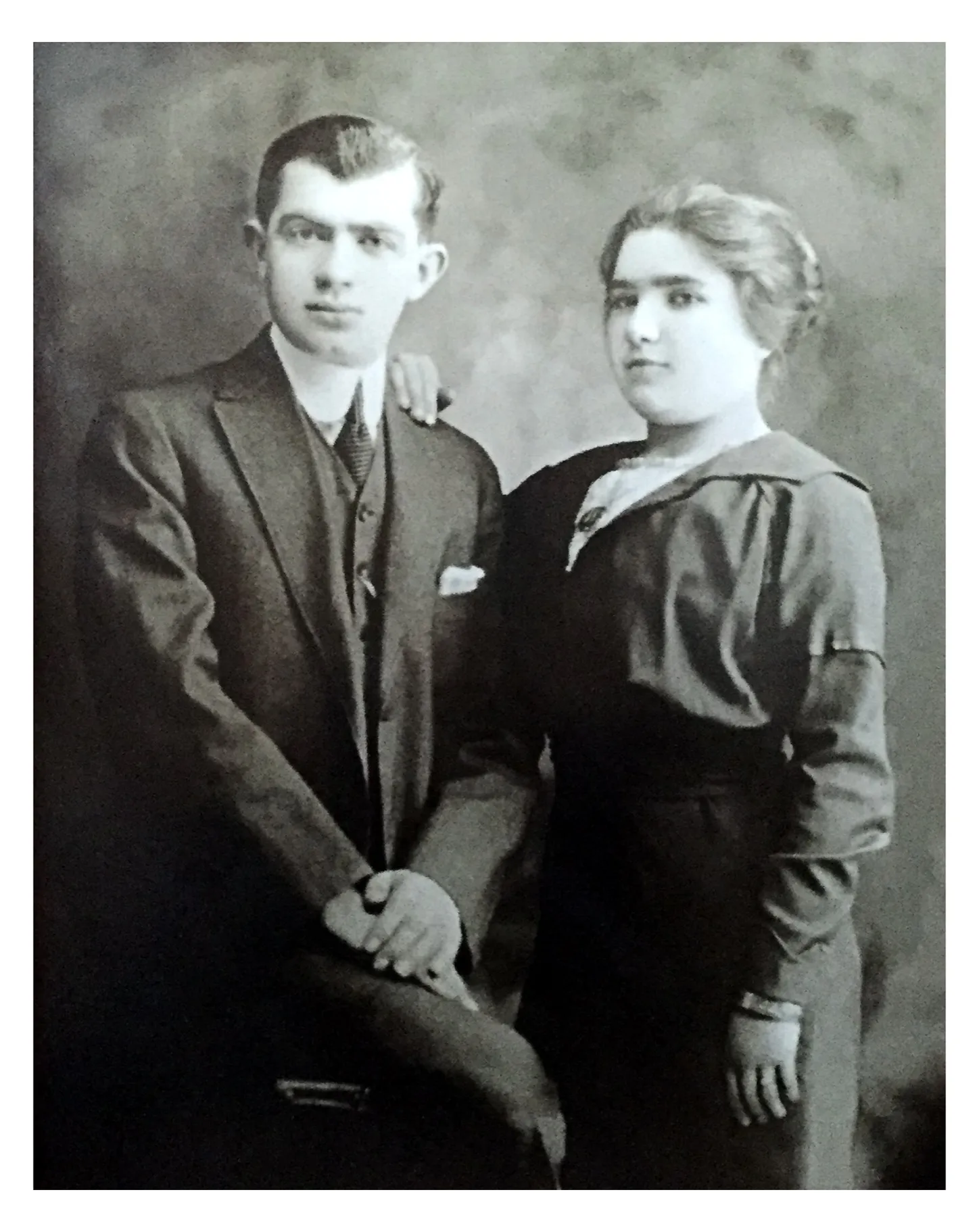
The Moscow Mule is named after a copper mug. My great-grandmother brought the first two thousand of them to America.
Sophie Berezinski arrived from Russia in 1941 with mugs manufactured by her father’s copper works and no buyer for them. She found one in Hollywood: Jack Morgan at the Cock’n Bull, and John Martin, who was trying to introduce America to vodka. The drink they invented together took its name from her mug.
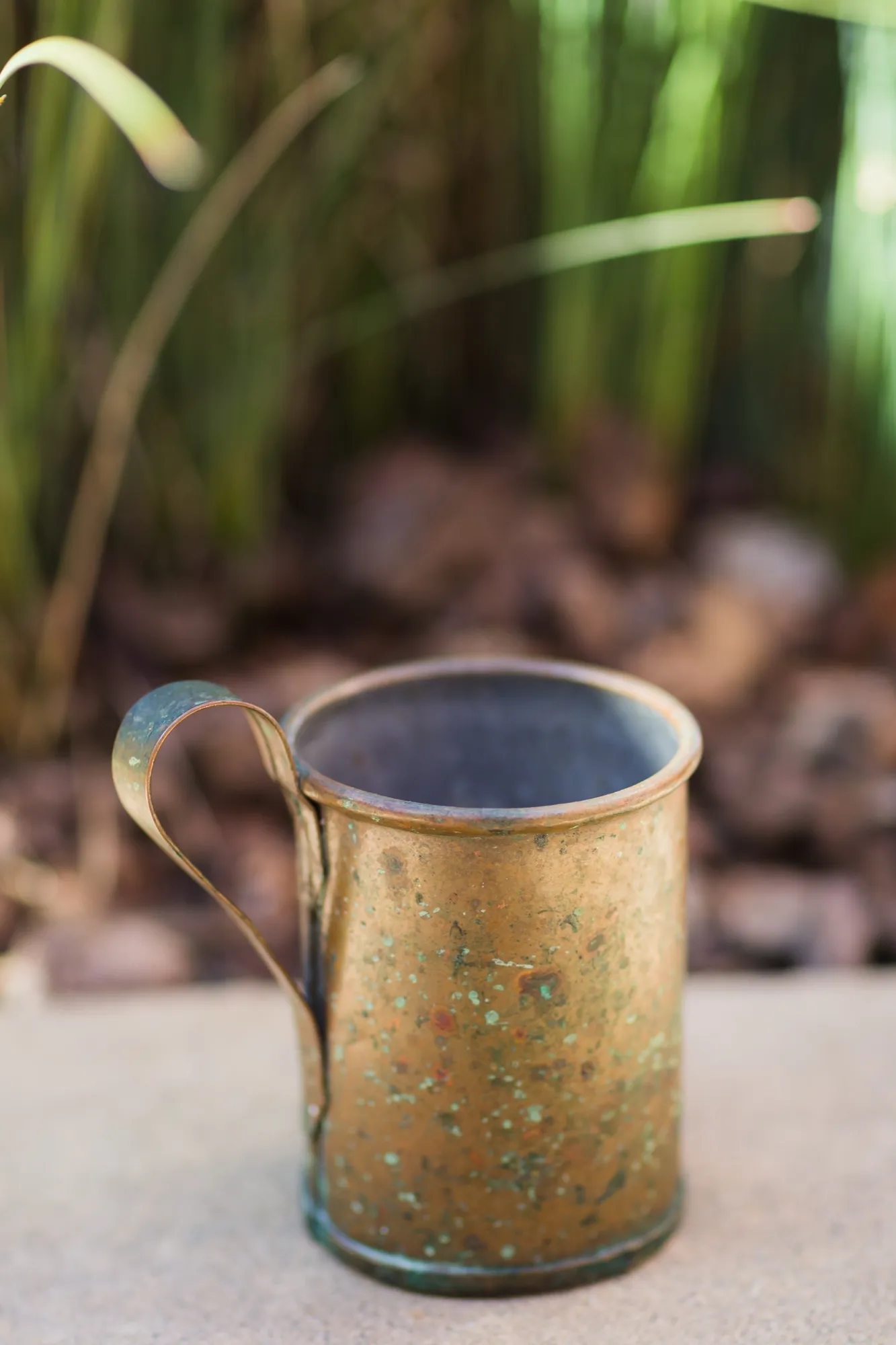
By the time the cocktail came back into fashion seventy years later, the mug had become a commodity — thin, plated, stamped out by the container-load. I had inherited the last of her originals, which meant I had the one thing the category could not manufacture.
I relaunched the company in 2016 around the original object. The opportunity was narrow and specific: not to sell more mugs, but to make the original one matter again, and to build a company that could be held to it.
Building the company
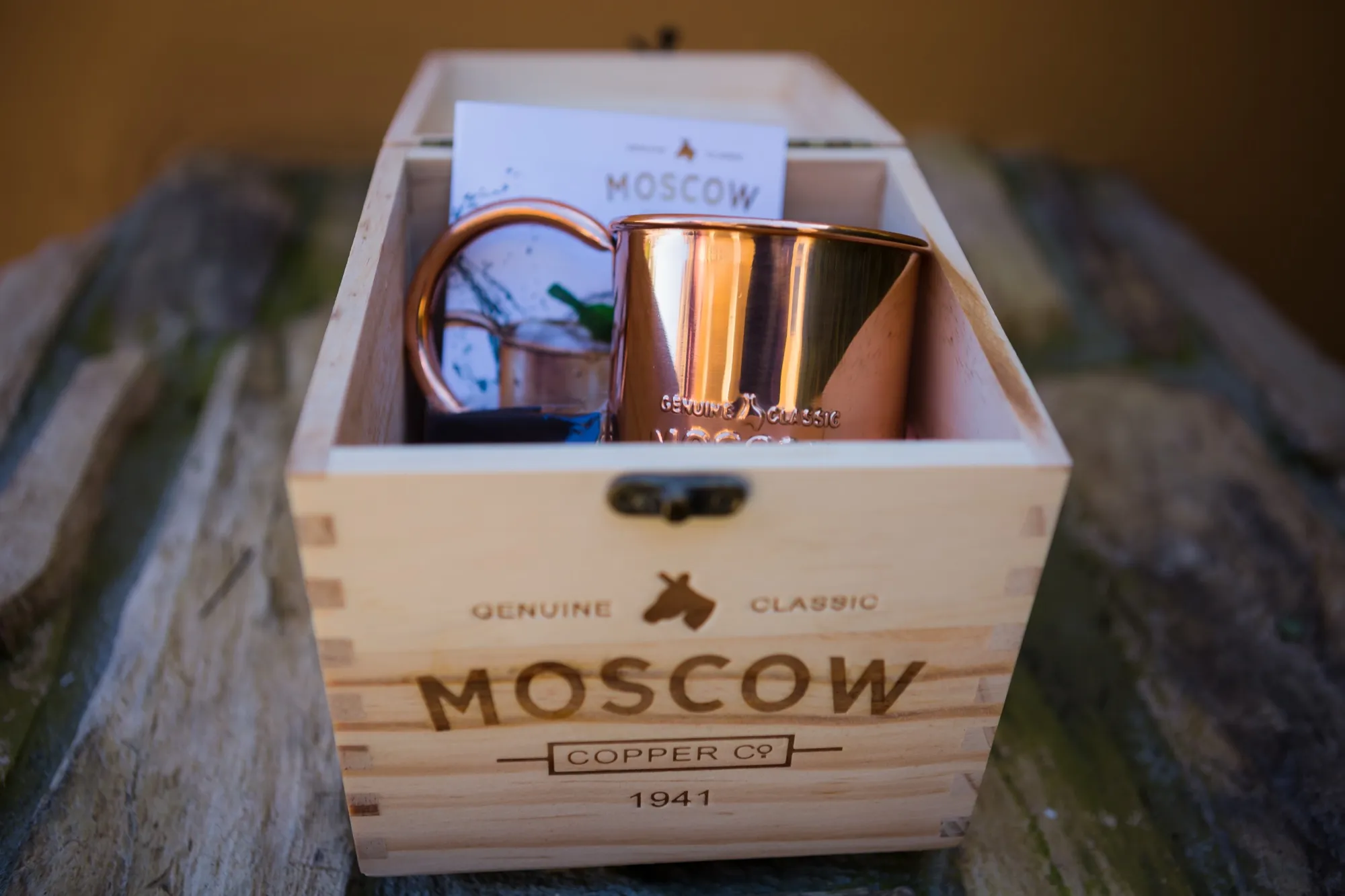
Solid copper, formed to a modernised version of Sophie’s design. The copper came from India; engraving, finishing and packing stayed in Santa Barbara. That cost more, and it kept the standard inside the company.
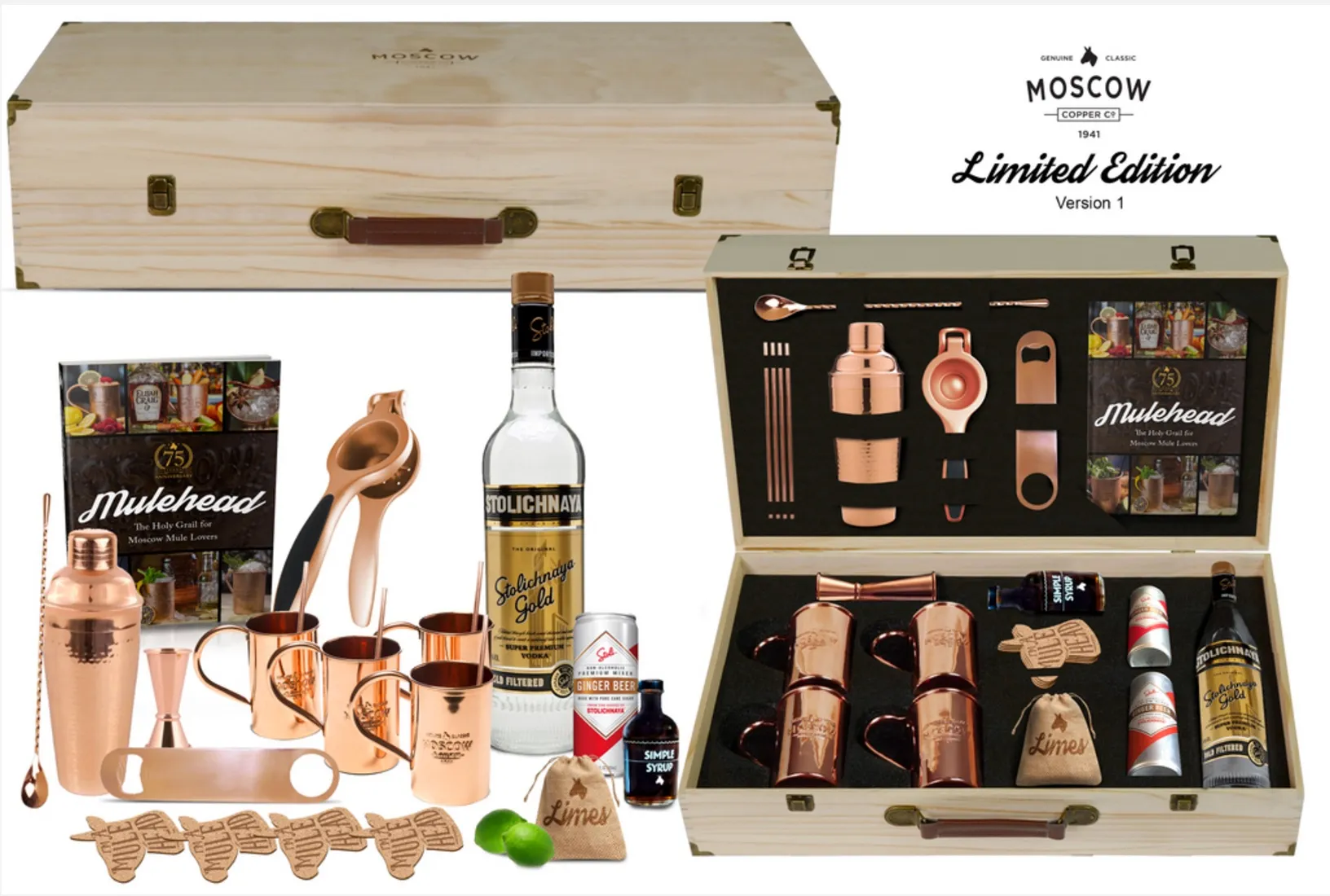
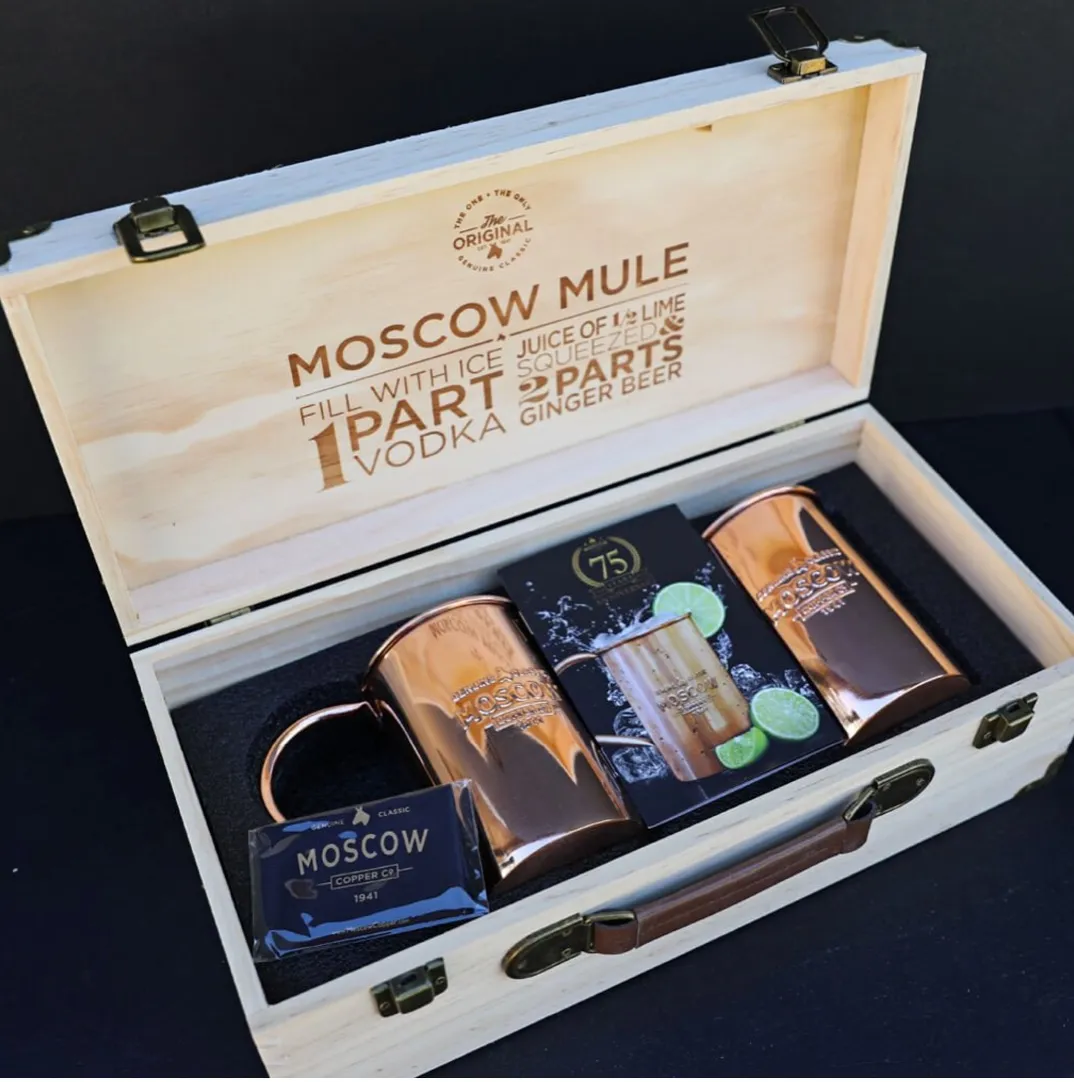
The mug shipped in a fire-branded crate meant to be kept rather than thrown away. The two-pack box carried an engraved recipe in the lid, die-cut foam and brass latches, because the packaging was the first thing anyone touched.
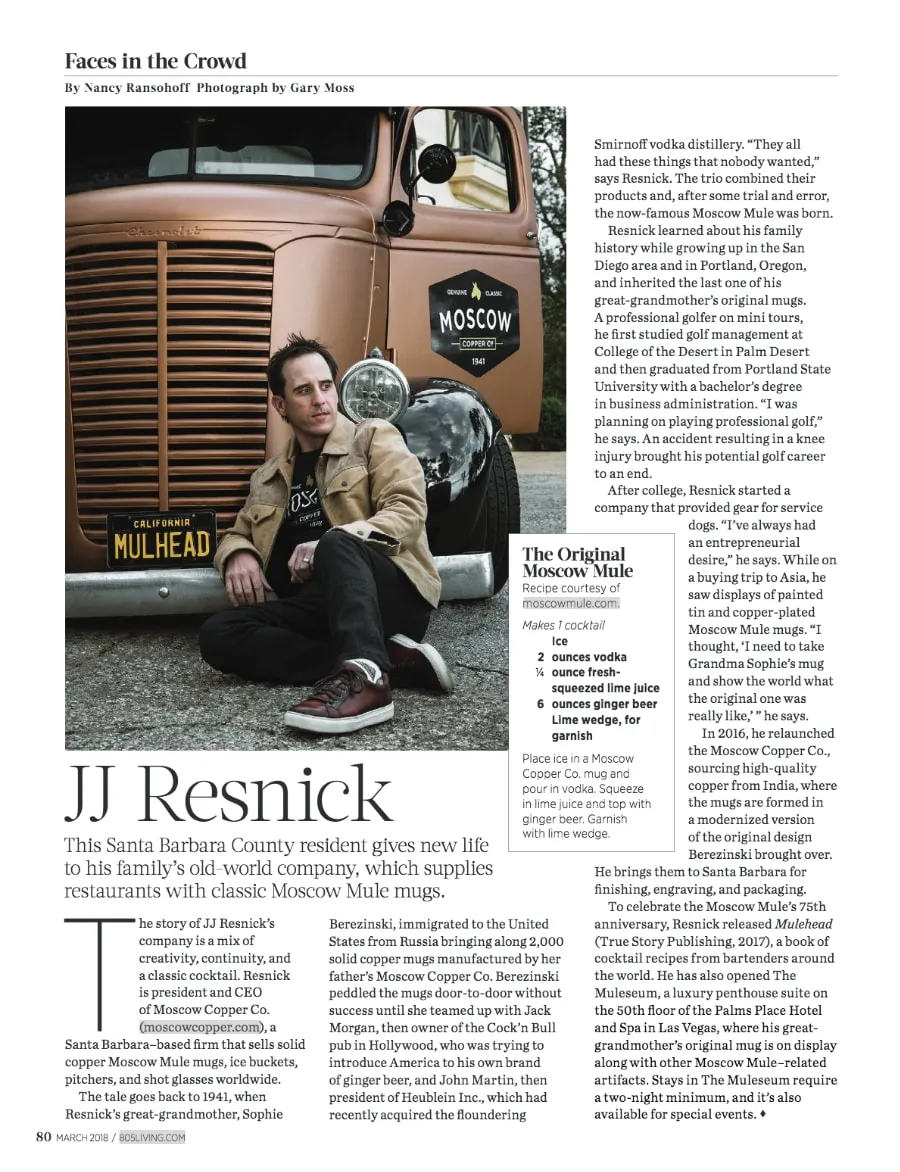
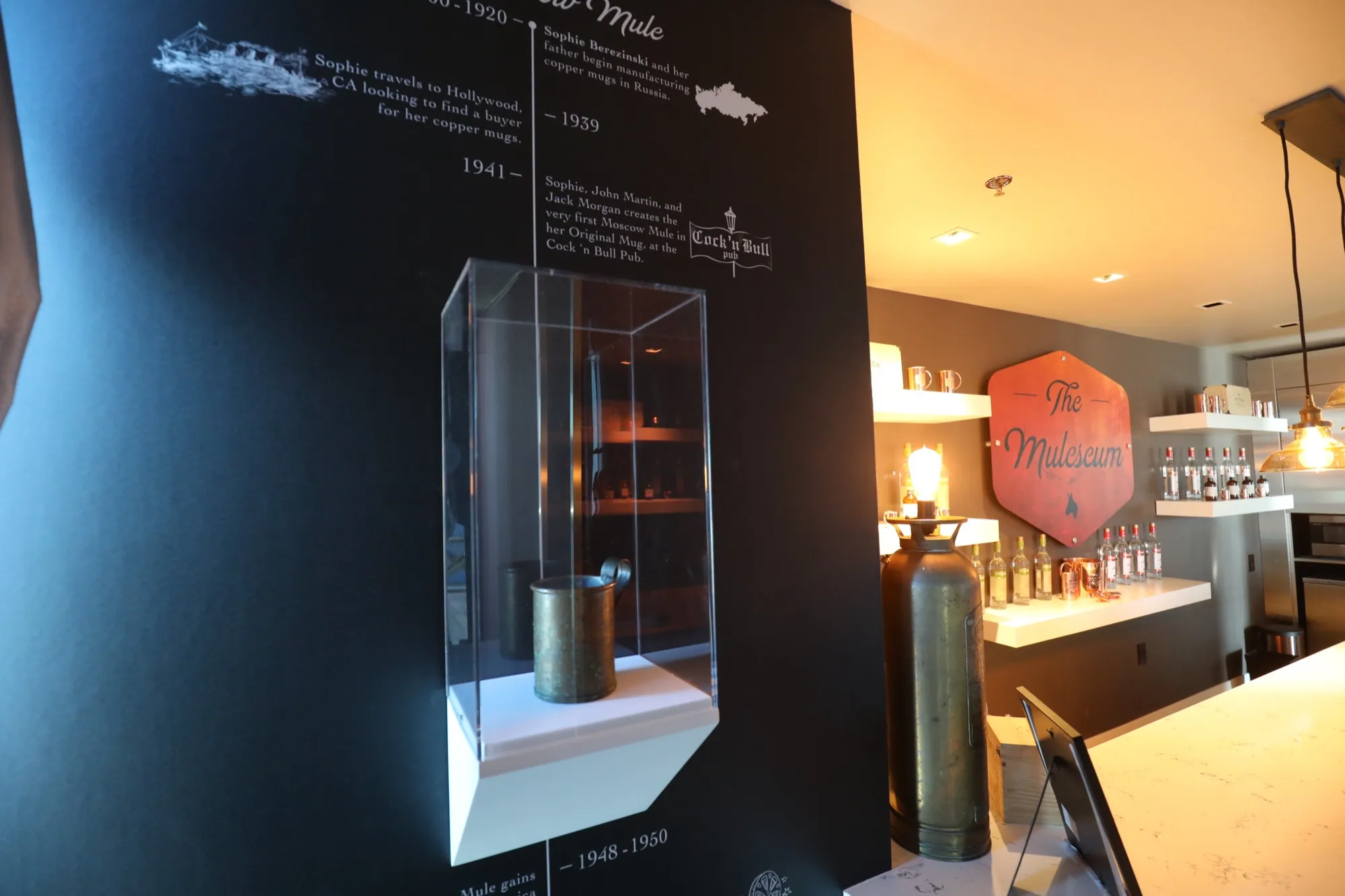
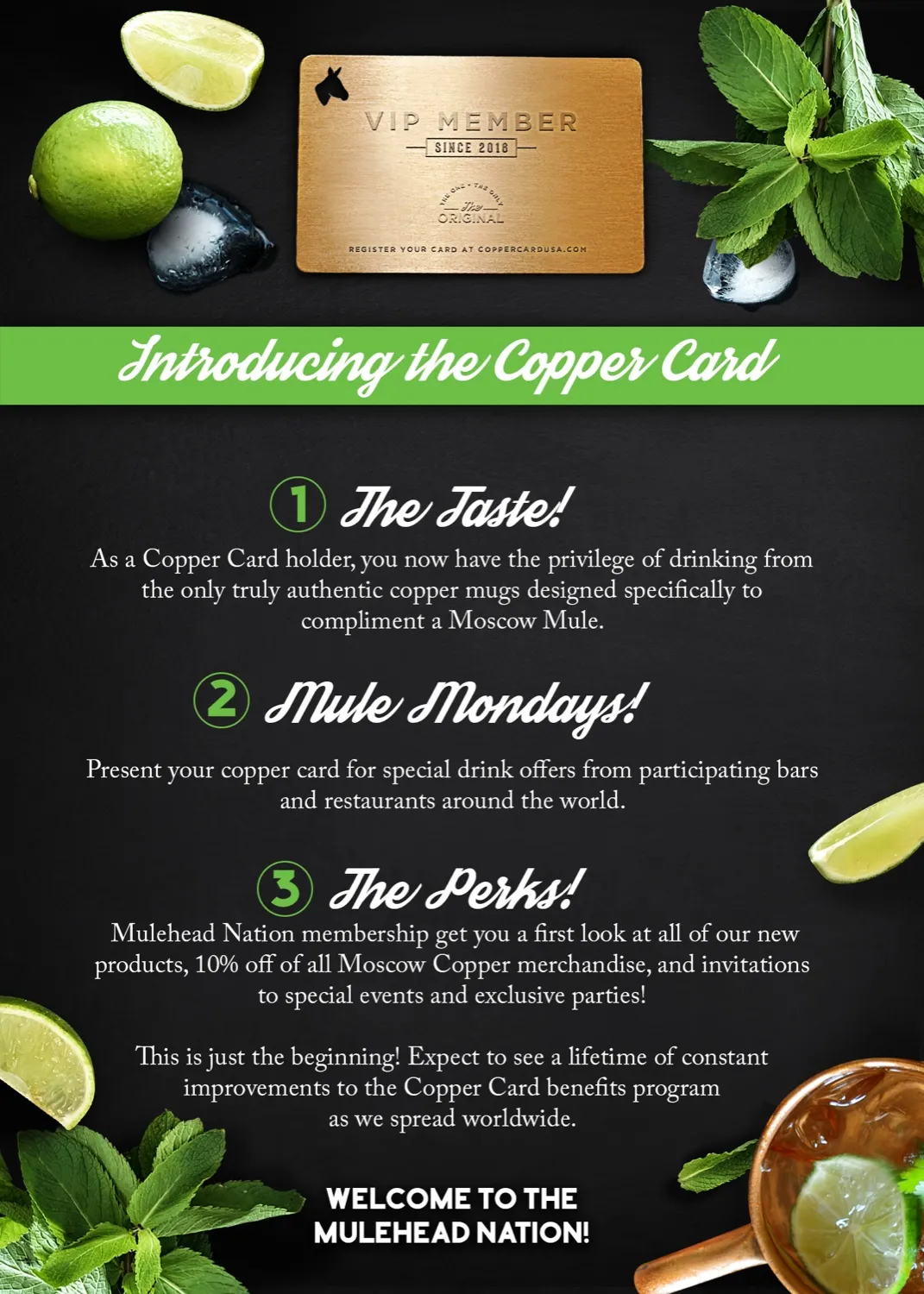
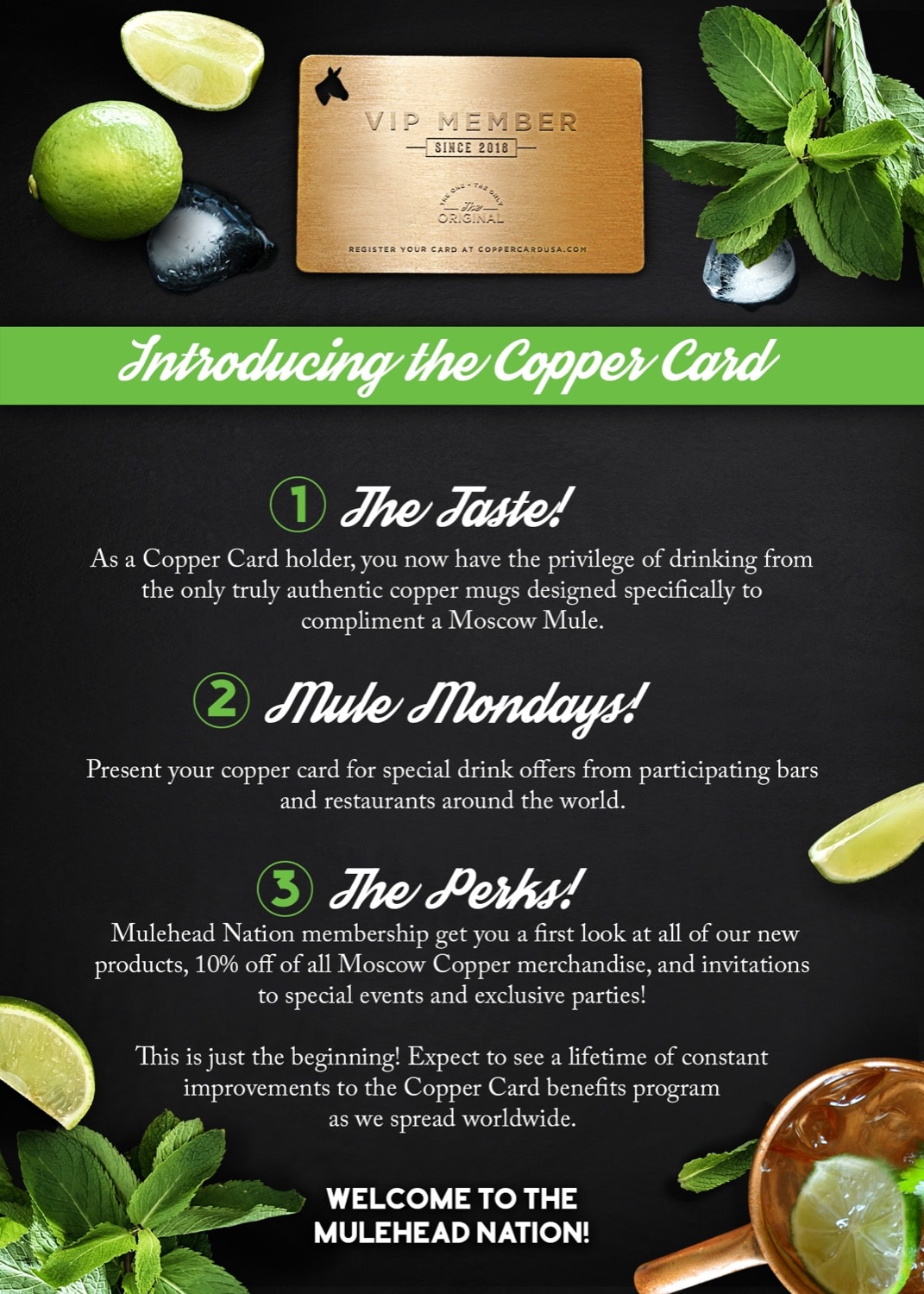
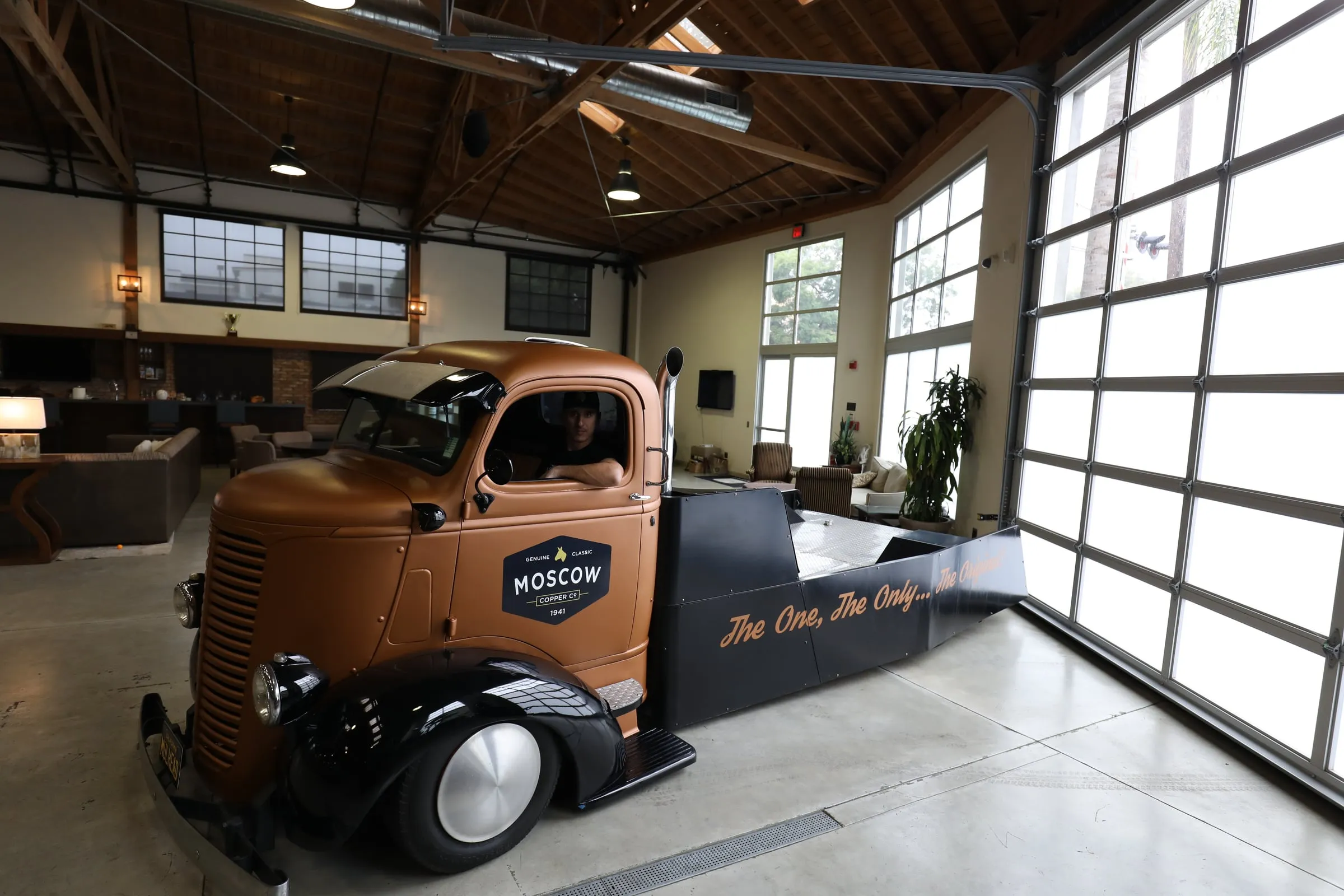
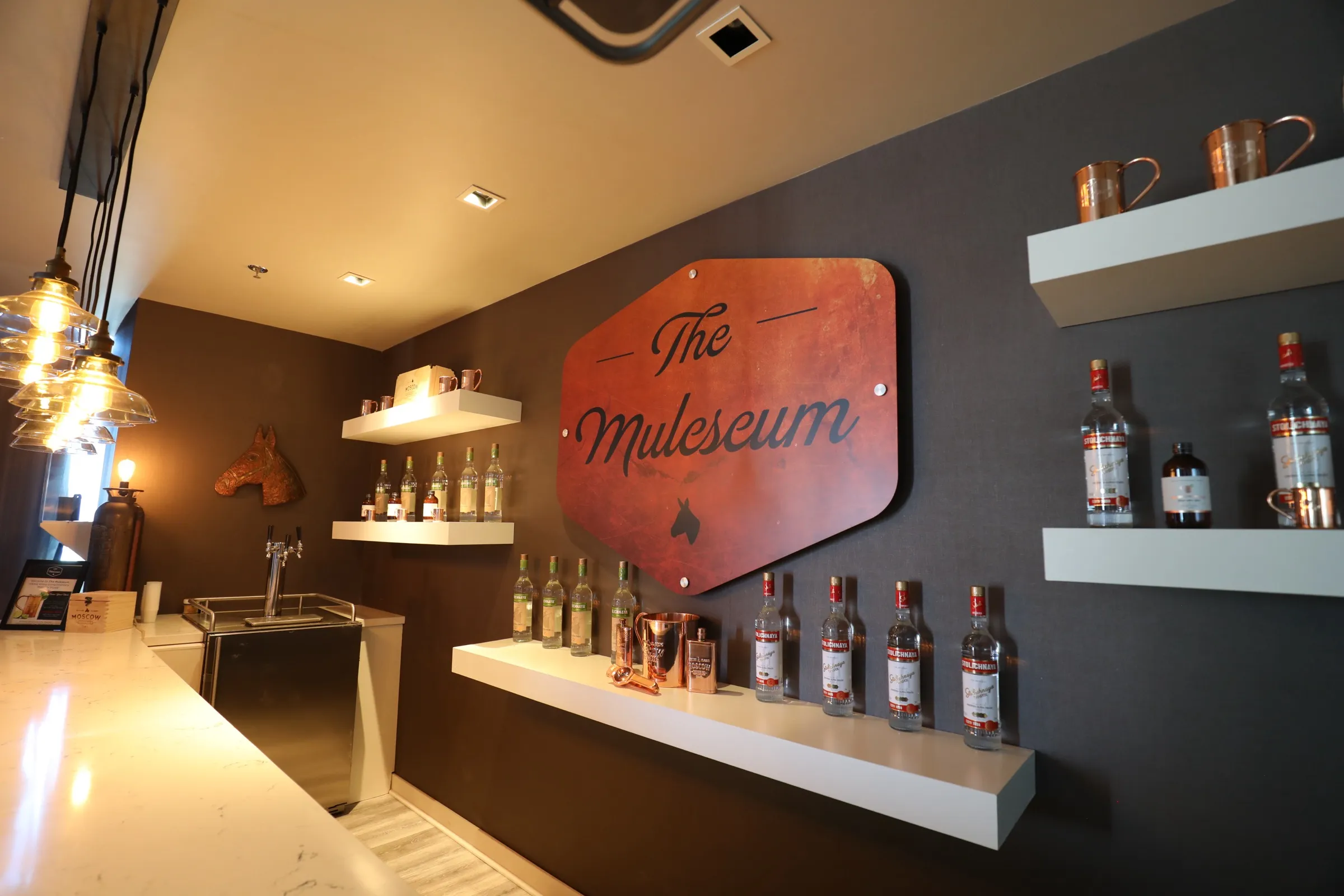
Around it: a 1939 cab-over rebuilt in company livery, a member program for the bars that poured it, a book published for the drink’s seventy-fifth anniversary, and a room in Las Vegas where the original sits in a case.
Distribution
It reached people through partners who already had the audience, not through advertising.
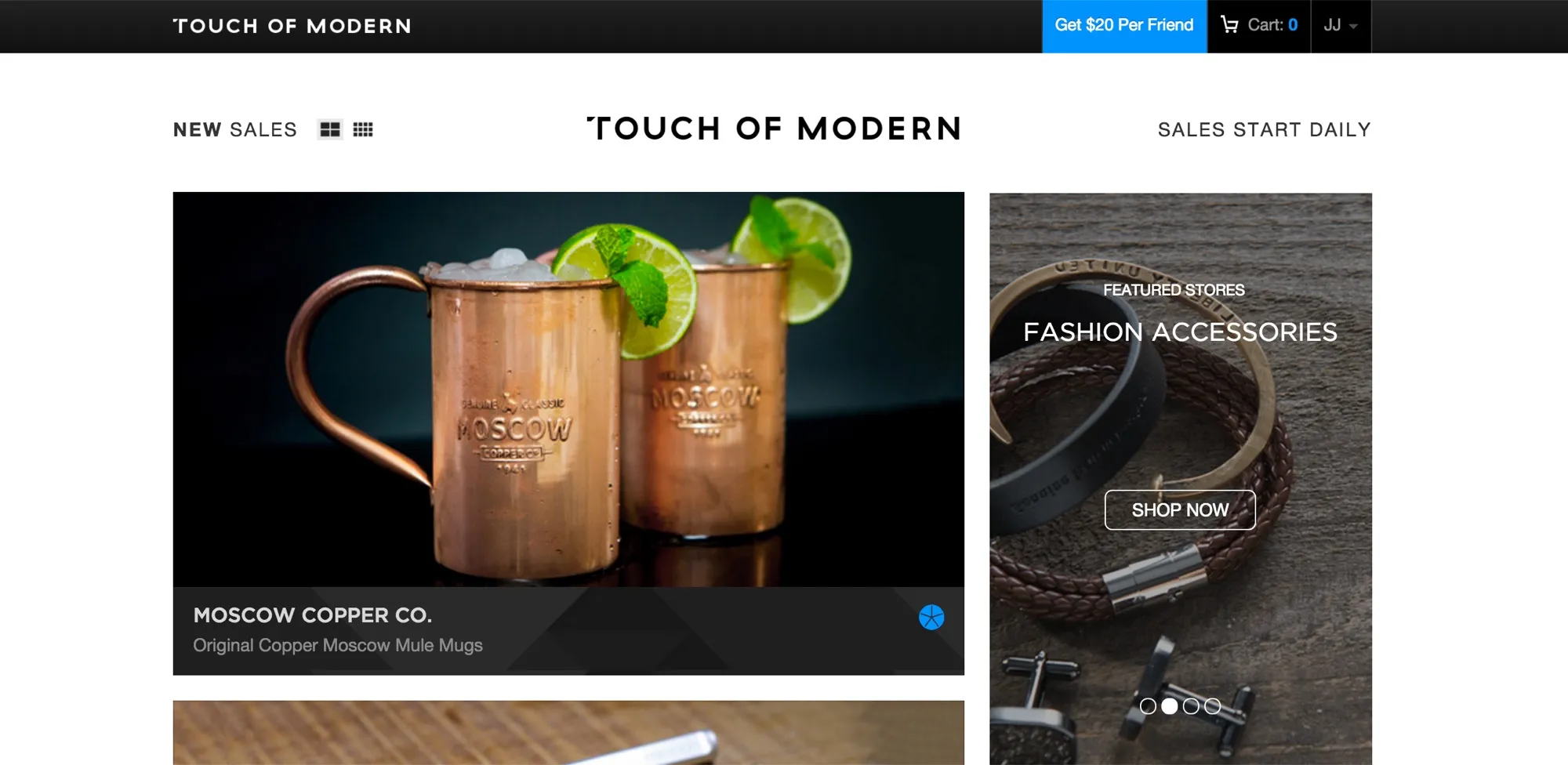
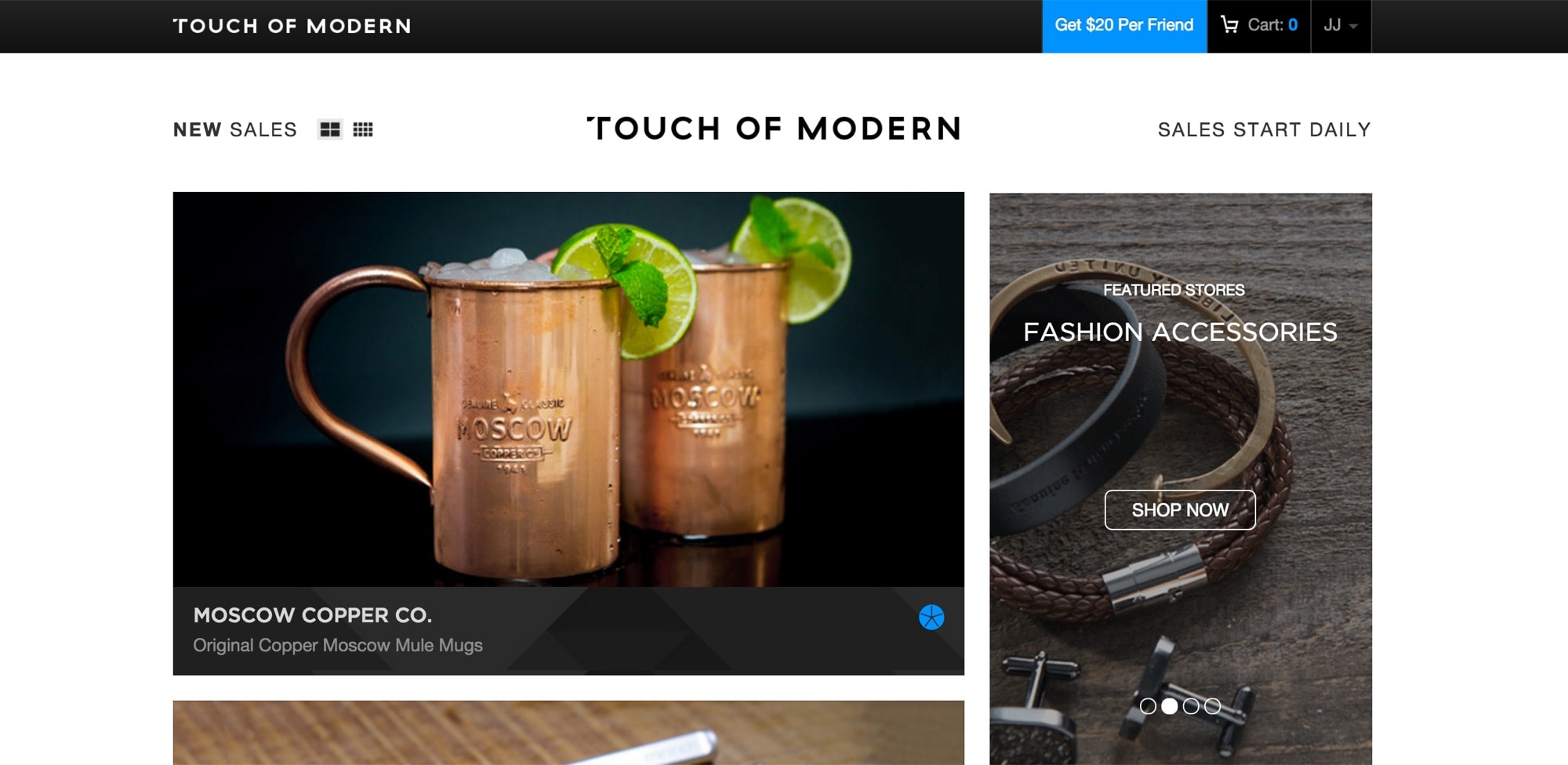
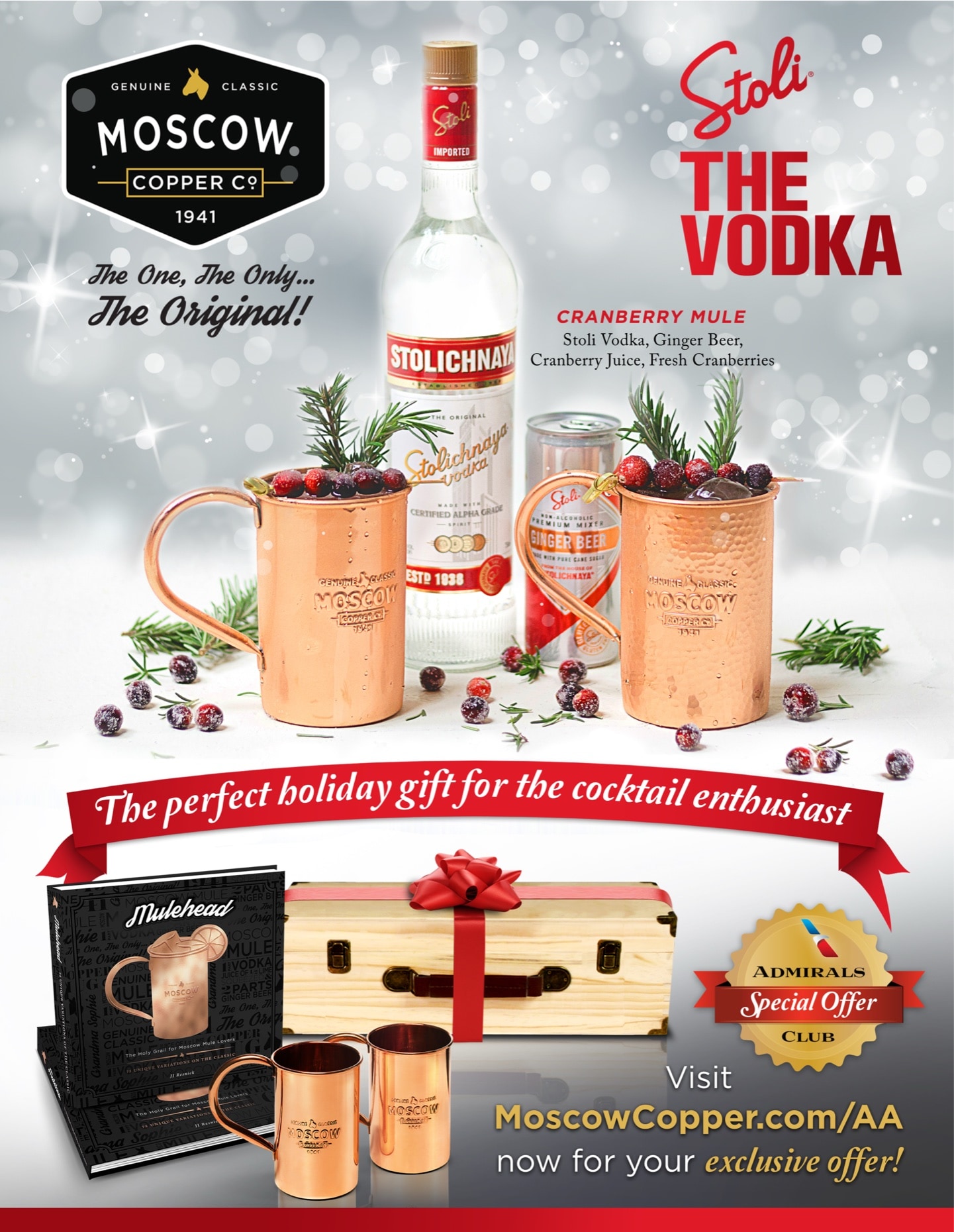
National retail carried it as a featured sale. National television put the gift kit in front of a daytime audience. An airline lounge partnership placed it in front of travellers who were already sitting still.
What did not work was treating any of it as a campaign. The placements that held were tied to a physical thing — a crate, a truck, a room — rather than to a message.

Milestones
- 2016
- Moscow Copper Co. relaunched around the original mug.
- 805 Living, March 2018
- 2017
- Mulehead published for the Moscow Mule’s 75th anniversary.
- True Story Publishing
- 2018
- The Muleseum opened at Palms Place, Las Vegas, with the original mug on display.
- 805 Living, March 2018
From the archive
Press, packaging and partnership material from the same years.